When Emma’s 30‑minute commute turns into a gaming marathon
Emma, a graphic designer in Manchester, used to stare at the same train schedule each day. Last week, she downloaded a new puzzle‑adventure app and spent the whole 32‑minute journey solving riddles and earning points. By the time she reached her office, she had already beaten the first level and was planning her next play session for the evening. Emma’s experience isn’t an isolated case; it mirrors a larger shift in how people in the UK consume entertainment.
Screen time is no longer confined to the living room
In 2026, the average UK adult spends about 6.3 hours a day on digital screens. Of that, 2.8 hours are dedicated to mobile gaming. The numbers show that mobile devices have become the primary venue for casual and even narrative‑heavy games. Developers now design experiences that fit a 5‑minute burst, yet still deliver depth enough to keep players returning.
Hardware and connectivity: the backbone of the shift
5G rollout has reached 88% of UK households, cutting download times for large game patches to under 30 seconds. Combined with the proliferation of foldable phones, players can switch from a pocket‑sized device to a tablet‑sized screen without leaving their seat. This flexibility encourages longer play sessions and allows games to incorporate richer graphics without compromising performance.
Monetisation models that respect the wallet
In the past, many mobile titles relied on aggressive in‑app purchases. Today, a hybrid model dominates: free to play with optional cosmetic micro‑transactions, and a subscription tier that unlocks a rotating catalogue of premium content. For example, a popular strategy game offers a 12‑month pass that grants new units and exclusive skins for £9.99, a price point that matches a monthly streaming service. This approach keeps the upfront cost low while ensuring a steady revenue stream for developers.
Community and social integration
Cross‑platform play has become the norm. Players can team up with friends on PC, console, or mobile, using a single account. Social features—such as leaderboards, guilds, and real‑time chat—have been integrated directly into the game’s UI, reducing the need for external apps. This seamless connectivity has turned casual gamers into active communities that meet weekly for challenges or tournaments.
From casual play to immersive storytelling
Story‑driven games now rival traditional media in narrative complexity. A 2026 release from an indie studio weaves a branching plot that adapts to player choices, offering up to 30 different endings. Players report that the game’s pacing—tight, 10‑minute chapters—fits neatly into their daily routines, making long‑form storytelling accessible without a TV set.
Mobile gaming’s ripple effect on other entertainment sectors
Film studios are partnering with game developers to create companion apps that extend movie universes. A recent collaboration between a blockbuster franchise and a mobile game studio produced an AR scavenger hunt that ran concurrently with the film’s release, driving ticket sales and social media engagement. These cross‑promotions demonstrate how mobile gaming can serve as a marketing channel for other media.
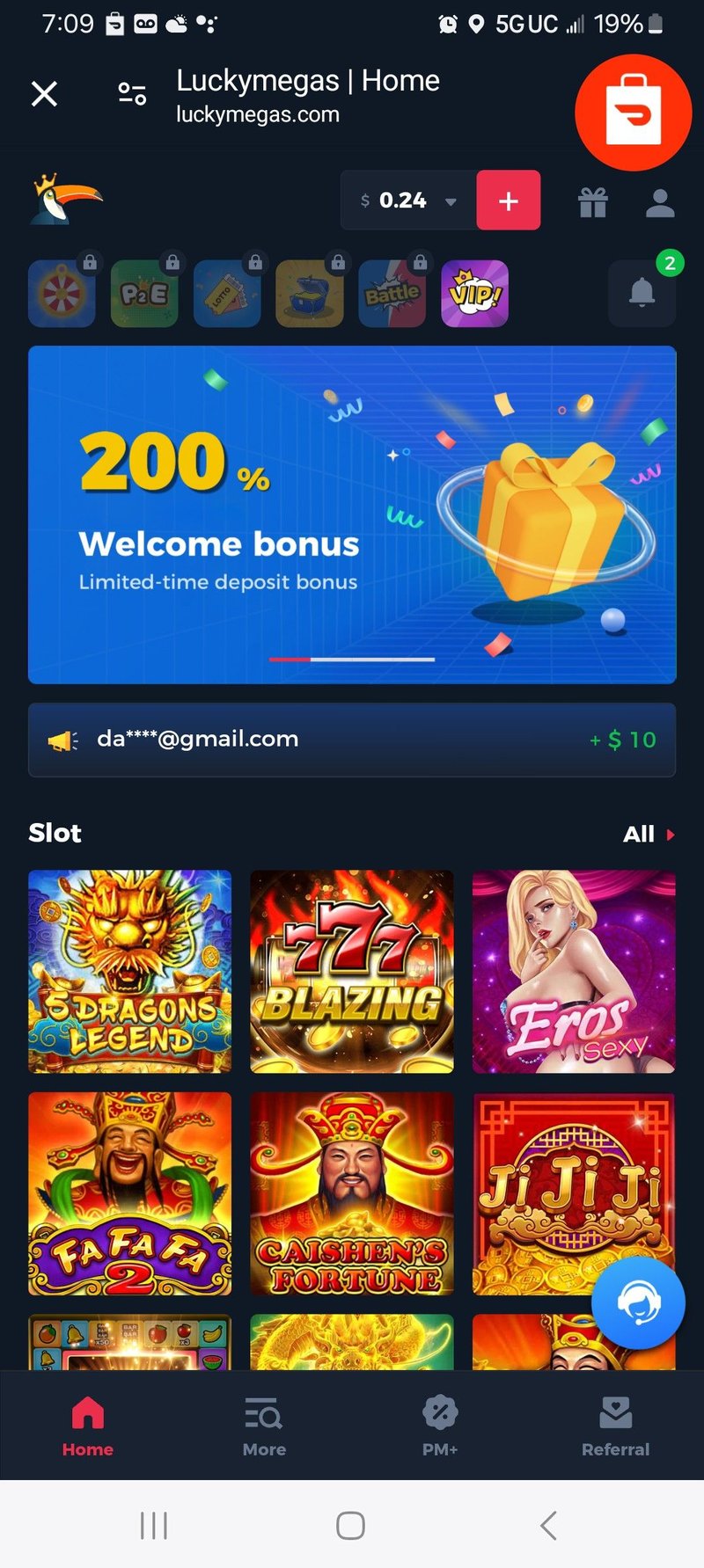
For those who enjoy the thrill of chance alongside narrative, the line between gaming and online entertainment blurs. Many mobile players now explore platforms that offer a mix of skill‑based challenges and luck‑based rewards. LuckyWave Casino, for instance, blends traditional casino games with interactive storytelling elements, attracting a demographic that prefers mobile convenience over land‑based venues.
LuckyWave Casino offers a seamless mobile experience that keeps players engaged with both skill and luck.
Challenges that still need addressing
Despite its growth, mobile gaming faces hurdles. Battery consumption spikes during graphically intensive titles, causing some users to pause mid‑session. Additionally, the sheer volume of free games leads to “app fatigue,” where players become overwhelmed by choices and spend less time on each title. Developers are experimenting with curated recommendation engines to mitigate this issue.
The future looks bright—and mobile
By 2028, projections suggest that mobile gaming will account for 58% of the UK entertainment market’s revenue. As hardware improves, connectivity expands, and monetisation models mature, the sector will continue to pull audiences away from traditional screens and into handheld experiences. For anyone looking to stay ahead of the curve, the next logical step is to explore how these mobile trends intersect with other digital platforms, ensuring that entertainment remains fluid, accessible, and deeply engaging.